The factory floor doesn't forgive approximations
When a robot arm places a PCB connector, welds a chassis joint, or sorts pharmaceutical blister packs, the allowable margin for error can be smaller than the width of a human hair. Yet most conversations about robotics focus on payload, reach, or speed—the headline numbers.
The true indicators of trustworthiness are reflected in the finer details of product capabilities. Accuracy, precision, repeatability, reproducibility, and adaptability determine whether a robot becomes a productive asset or a line-stopping liability. These five metrics are distinct. They measure different aspects of performance. Confusing them leads to deploying the wrong robot for the wrong task.
"A robot that is fast but imprecise is not an asset. It is a liability with a warranty."
This paper defines each metric, explains what drives them at the hardware and software level, and shows why getting them right is the foundation of every other performance claim a robot manufacturer can make. By the end, you will understand what separates a research prototype from a production-ready cobot.
Five metrics, five failure modes
These terms are often used interchangeably in casual conversation, but they describe entirely different problems. Understanding the difference is the first step to specifying the right robot.
Precision
How tightly the robot's measurements cluster around a central point, independent of whether that point is correct. A precise robot hits the same spot every time. It may be the wrong spot, but it's consistent. High precision without accuracy equals a well-calibrated mistake.
Accuracy
How close the robot gets to the intended target position, on average. A robot might land at the right location most of the time, but with wide variation between shots. High accuracy does not guarantee precision—only that the bias is small.
Repeatability
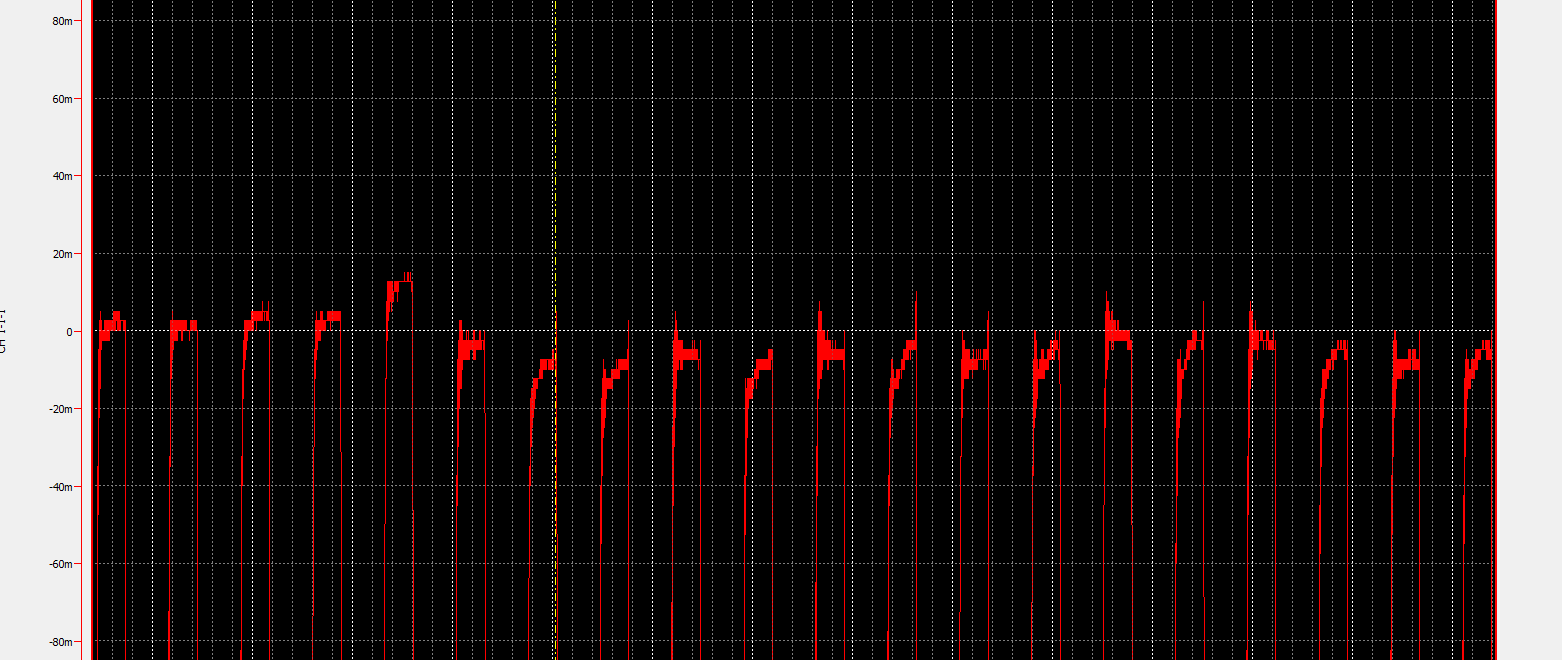
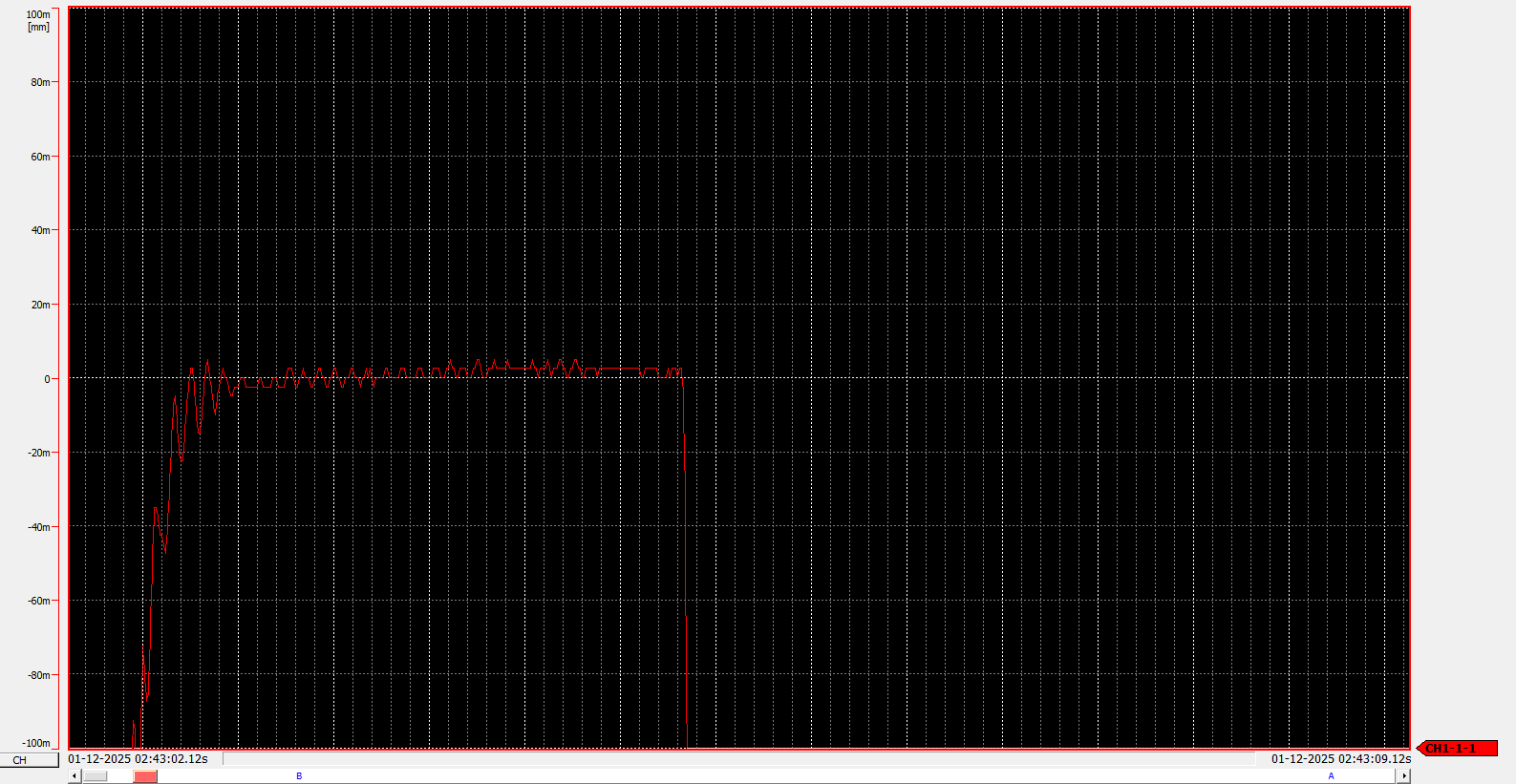
Given the same command and identical conditions, can the robot return to the exact same pose, every single time, across millions of cycles? This is the gold standard quoted in robot spec sheets. Repeatability is what turns a motion into a process you can rely on.
Reproducibility
Can the robot achieve the same results when moved to a different location, operated by a different person, or deployed in a slightly different setup? Repeatability measures consistency under identical conditions. Reproducibility measures consistency across varying conditions. It's the difference between "does it work here" and "does it work anywhere."
Adaptability
What happens when conditions change mid-operation? If the mounting table shifts, a fixture loosens, or the parts arrive slightly out of position, can the robot sense that change and adjust its motion in real time? Adaptability is the capability that separates rigid automation from intelligent automation.
Note: Adaptability is a broad and evolving subject, and will be explored in detail in a future white paper.
For most manufacturing applications, repeatability and reproducibility are what matter most. A robot can be software-calibrated to improve accuracy, but poor repeatability cannot be fixed after the fact—it shows up as product defects, rework, and unplanned line stoppages.
What ±0.02 mm actually looks like
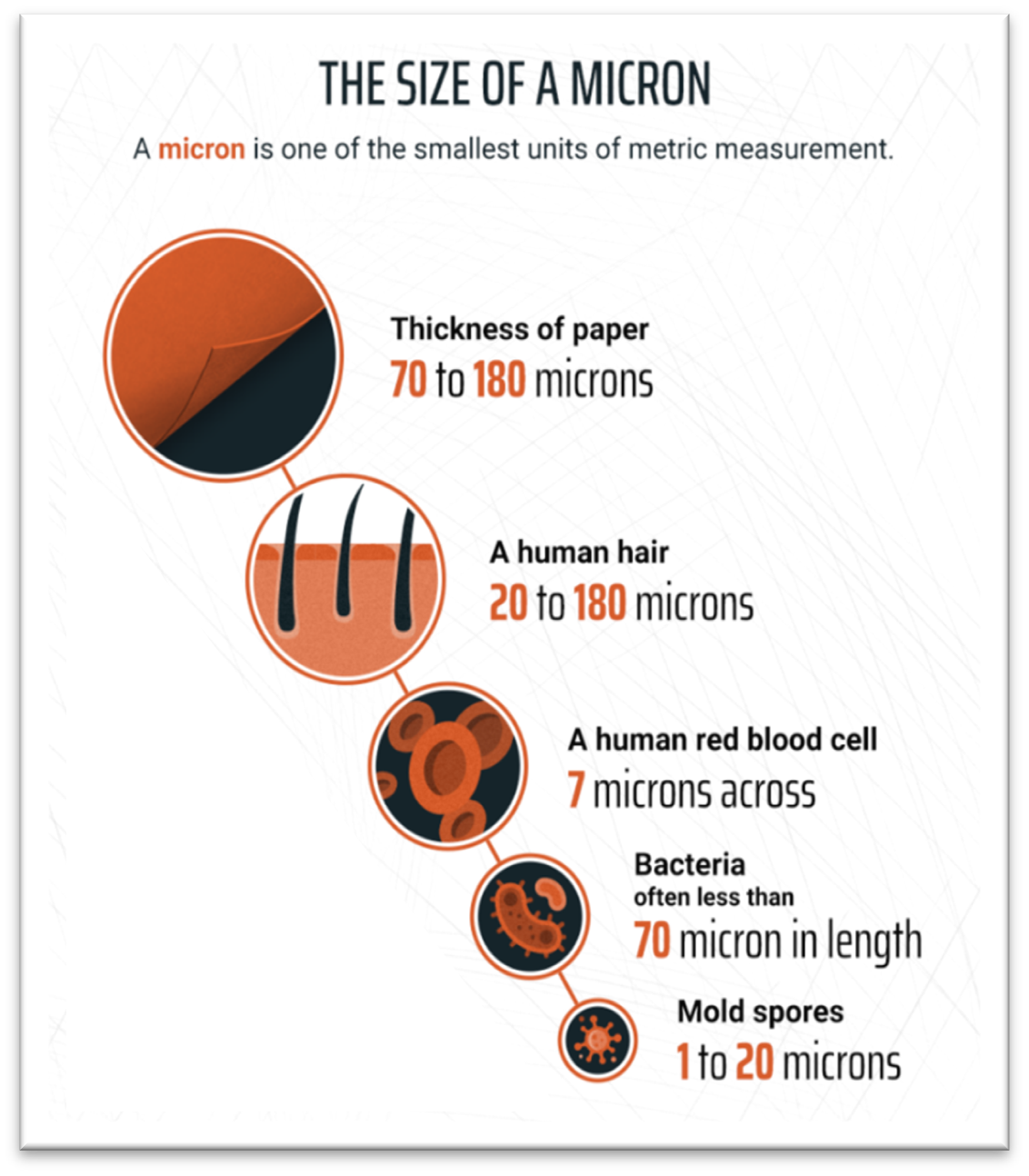
Repeatability specs are quoted in millimetres or microns, but those numbers remain abstract until you see them in context. The Svaya SR-L series achieves ±0.02 mm repeatability—that's 20 microns, or roughly half the width of a human hair.
To put this in perspective: at that repeatability level, the robot can reliably perform tasks that require sub-millimetre placement, such as PCB component insertion, connector alignment, and medical device assembly. Below this threshold, tasks move into the "human judgment required" category. Above it, you enter specialty electronics and semiconductor territory.